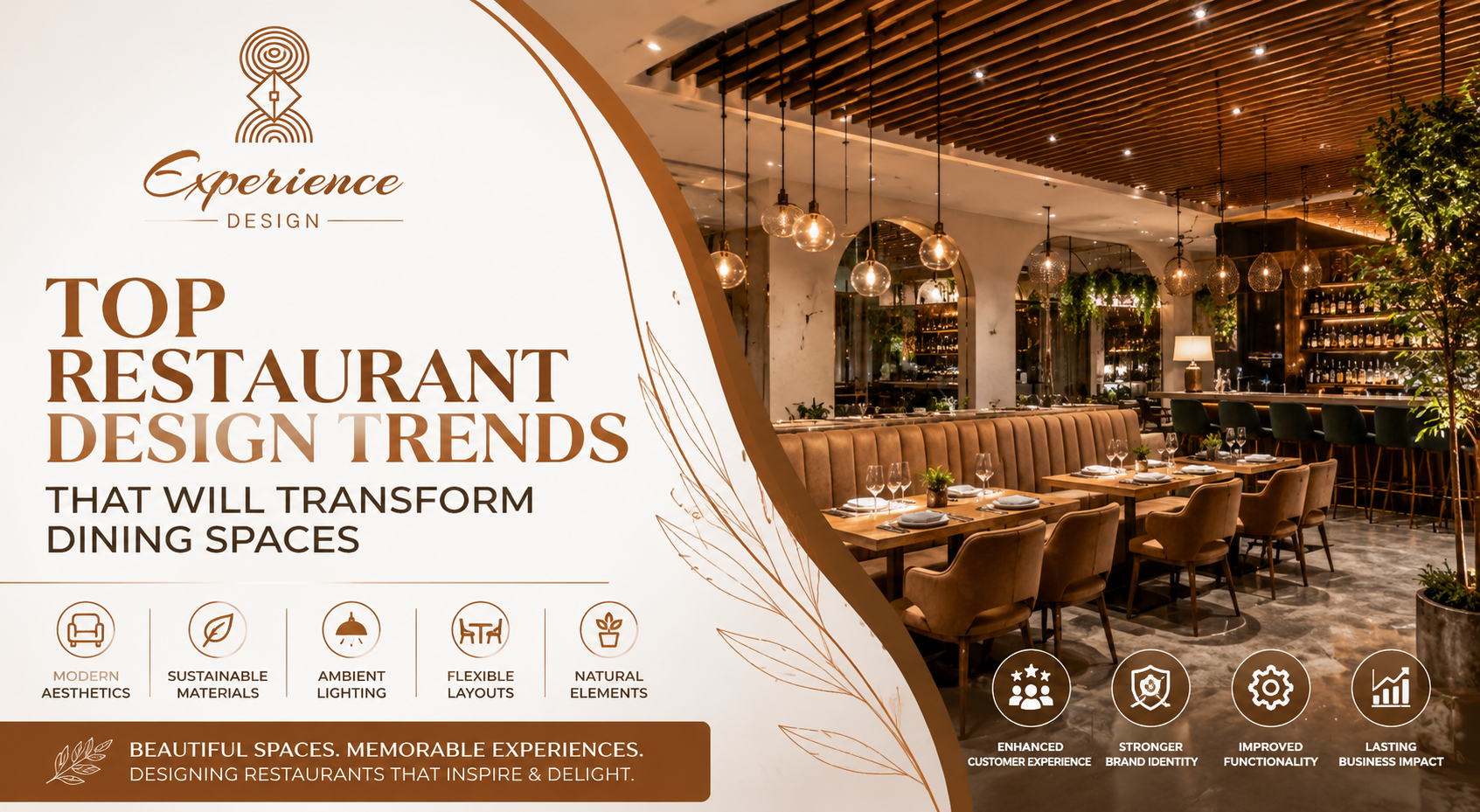
Creating an unforgettable dining experience begins long before the first meal reaches the table. Top Restaurant Designs Trends That Will Transform Dining Spaces have become a major focus for restaurant owners who want to attract more guests, increase customer satisfaction, and build a memorable brand. Today’s customers expect more than delicious food. They want a welcoming atmosphere, comfortable seating, attractive interiors, and a unique environment that encourages them to stay longer and return again.
Restaurant designs is no longer just about decorating a dining room. It is about creating an experience that reflects a restaurant’s personality while supporting efficient operations. Every design decision, from lighting and furniture to colors and space planning, influences how customers feel. Whether you are opening a new restaurant or renovating an existing one, following the latest restaurant designs trends can help your business stand out in a competitive market.
At Experience Design, every restaurant project begins with understanding your brand, your customers, and your long term business goals. By combining creativity with functionality, professional restaurant designers create spaces that leave lasting impressions while improving workflow for staff and enhancing guest comfort.
Why Restaurant Designs Matters More Than Ever
Restaurant designs has evolved beyond aesthetics. It has become a powerful marketing tool that influences customer behavior, online reviews, and even social media engagement. Diners often choose restaurants that provide visually appealing spaces where they can enjoy both great food and an enjoyable atmosphere.
A thoughtfully designed restaurant offers benefits that include increased customer retention, improved operational efficiency, stronger brand identity, better employee productivity, and higher revenue opportunities. Every detail contributes to the overall customer journey, making professional restaurant designs one of the smartest investments for restaurant owners.
Modern restaurant interior design focuses on creating spaces that feel comfortable, authentic, and adaptable. Flexible layouts, inviting lighting, quality materials, and carefully selected décor work together to create memorable dining experiences that encourage repeat visits.
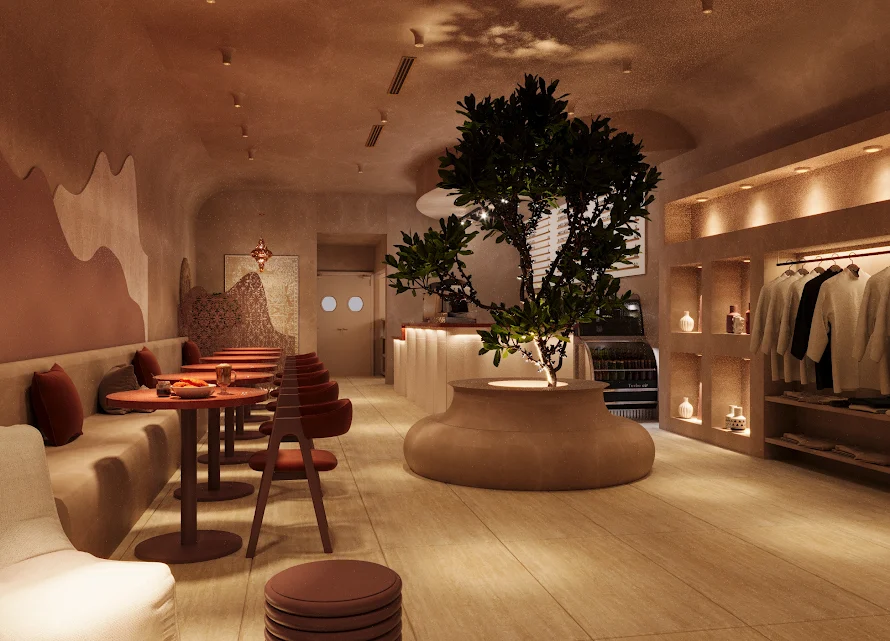
Restaurant Designs Trends at a Glance
| Design Trend | Primary Benefit | Best For |
|---|---|---|
| Open Dining Layout | Better customer interaction | Casual restaurants |
| Sustainable Materials | Eco friendly branding | Modern restaurants |
| Smart Lighting | Improved ambiance | Fine dining |
| Flexible Seating | Space optimization | Cafes and family restaurants |
| Natural Elements | Comfortable atmosphere | All restaurant concepts |
| Technology Integration | Better customer convenience | Fast casual and modern dining |
Biophilic Design Creates Comfortable Dining Spaces
One of the biggest restaurant designs trends is bringing nature indoors. Natural materials such as wood, stone, indoor plants, and large windows create a relaxing environment where guests feel comfortable spending more time. Biophilic restaurant designs improves visual appeal while creating a healthier indoor atmosphere. Restaurants with greenery and natural lighting often receive higher customer satisfaction because they feel more inviting and peaceful.
Combining natural textures with contemporary furniture creates a balanced environment that appeals to a wide variety of customers. Warm wood finishes, decorative plants, and soft color palettes help restaurants establish an authentic and welcoming identity.Natural elements also photograph beautifully, making them highly effective for customers who enjoy sharing their dining experiences on social media platforms. This organic exposure can significantly increase brand visibility without additional advertising costs.
Flexible Restaurant Layouts Improve Customer Experience
Modern restaurants are moving away from rigid floor plans and embracing adaptable layouts. Flexible seating arrangements allow restaurant owners to accommodate couples, families, business meetings, and large gatherings without compromising comfort.Movable furniture, modular booths, and adjustable partitions allow restaurants to modify their spaces based on daily customer needs or special events. This flexibility improves both customer satisfaction and operational efficiency.
Restaurant floor planning should always consider customer flow, staff movement, accessibility, and emergency exits while maintaining an inviting atmosphere. Efficient layouts reduce congestion and improve service speed, creating a better overall dining experience.Professional restaurant designers understand how to balance aesthetics with functionality, ensuring every square foot contributes to business success.
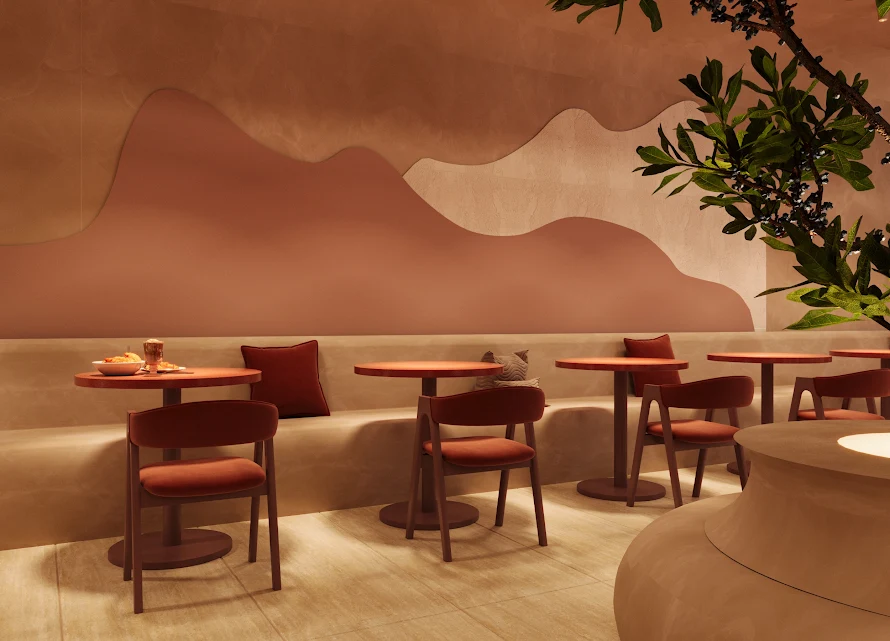
Warm Lighting Sets the Perfect Mood
Lighting plays a significant role in shaping customer emotions. Soft ambient lighting creates an intimate atmosphere, while brighter lighting supports energetic dining environments.Layered lighting combines ceiling fixtures, decorative pendants, accent lights, and natural daylight to create visual depth throughout the restaurant. Adjustable lighting systems also allow restaurant owners to change the ambiance throughout the day.
Choosing the right lighting can highlight architectural features, showcase food presentation, and improve customer comfort without overwhelming the space.Smart lighting technology also helps reduce energy consumption while providing greater flexibility for different dining experiences, making it both practical and cost effective.
Sustainable Restaurant Designs Continues to Grow
Sustainability is becoming a priority for both restaurant owners and customers. Eco conscious design demonstrates environmental responsibility while reducing operating expenses over time.
Many restaurants now select recycled materials, energy efficient lighting, water saving fixtures, and environmentally friendly finishes. Some projects even explore building improvements that contribute to better insulation performance. While discussing sustainable construction, some commercial property owners also evaluate Spray Foam Insulation Benefits during renovation projects because improved insulation may help increase overall energy efficiency in certain building applications.
Although insulation decisions are separate from restaurant interior design, creating an energy efficient building supports long term operational savings and environmental responsibility.Sustainable restaurant interiors also appeal to environmentally conscious customers who appreciate businesses that invest in responsible building practices.
Technology Driven Restaurant Designs Improves Every Guest Experience
Technology is becoming an essential part of modern restaurant designs. Customers appreciate convenience, speed, and personalized service, while restaurant owners benefit from improved efficiency. Integrating smart technology into the dining space creates a seamless experience from the moment guests arrive until they leave.Self service kiosks, digital menu boards, QR code menus, contactless payment options, and smart reservation systems are now common features in successful restaurants. These additions reduce waiting times and help staff focus more on customer service.
Technology should blend naturally with the restaurant’s overall style rather than dominate the space. Hidden charging stations, integrated sound systems, and digital displays can enhance functionality while maintaining an attractive interior.Professional restaurant designers carefully position these features to ensure they improve customer convenience without disrupting the restaurant’s visual appeal.
Restaurant Branding Through Interior Design
Every successful restaurant tells a story through its design. Colors, furniture, lighting, artwork, and materials all contribute to creating a memorable brand identity. Customers should immediately recognize the restaurant’s personality when they walk through the door.Whether the concept is modern, industrial, luxury, rustic, or family friendly, consistency throughout the interior creates trust and strengthens brand recognition.
Custom wall graphics, signature color palettes, branded décor elements, and unique architectural features help distinguish one restaurant from another. Restaurants with a strong visual identity often receive more online engagement because customers enjoy sharing attractive spaces on social media.At Experience Design, every restaurant project is tailored to reflect the owner’s vision while creating an environment that supports long term business growth and customer loyalty.
Comfortable Seating Encourages Longer Visits
Furniture selection has a direct impact on customer satisfaction. Comfortable seating encourages guests to relax, order additional menu items, and spend more time enjoying their experience.Restaurant seating should balance comfort with durability. Chairs, booths, bar seating, and outdoor furniture must withstand daily use while complementing the restaurant’s overall design theme.
Spacing between tables is equally important. Guests appreciate privacy without feeling isolated. Proper spacing also allows staff to move efficiently throughout the dining area.Restaurants that prioritize comfort often benefit from higher customer retention and stronger word of mouth recommendations.
Color Psychology Influences Customer Behavior
Colors affect emotions more than many restaurant owners realize. Warm colors such as red, orange, and earthy tones often stimulate appetite and create energetic environments. Neutral shades paired with natural materials create calm and welcoming spaces.
Luxury restaurants frequently incorporate darker tones combined with elegant lighting to create sophistication, while cafés often use lighter palettes that encourage relaxation and conversation.Selecting colors that align with the restaurant’s brand identity helps create a consistent customer experience from the entrance to the dining area.
Open Kitchen Concepts Continue to Gain Popularity
Open kitchen layouts have become one of the most requested restaurant designs trends. Customers enjoy watching chefs prepare meals because it builds trust, showcases culinary expertise, and creates entertainment during the dining experience.
Glass partitions, decorative cooking stations, and thoughtfully designed service counters allow restaurants to maintain cleanliness while offering transparency.Open kitchens also encourage better communication between kitchen staff and front of house teams, leading to smoother operations and faster service.
Restaurant Designs Planning Checklist
| Design Element | Why It Matters | Business Impact |
|---|---|---|
| Restaurant Layout | Improves customer flow | Better dining experience |
| Lighting Design | Creates atmosphere | Increased customer satisfaction |
| Furniture Selection | Adds comfort | Longer customer visits |
| Brand Identity | Builds recognition | More repeat business |
| Technology Integration | Improves convenience | Faster service |
| Sustainable Materials | Reduces operating costs | Stronger brand reputation |
| Kitchen Workflow | Supports efficiency | Higher staff productivity |
Planning Renovations Before Design Begins
Restaurant renovations should begin with a complete assessment of the existing building. Older commercial properties may require inspections before construction starts. In many renovation projects, certified asbestos testing is recommended when older building materials are present. Completing inspections early helps owners avoid unexpected delays and supports a safer renovation process.
Good planning also involves evaluating electrical systems, plumbing, ventilation, accessibility, and structural conditions before finalizing the design concept. Addressing these factors early creates a smoother construction process and protects the overall investment.
Organization Creates More Functional Restaurants
An attractive restaurant is also an organized restaurant. Storage areas, preparation stations, supply rooms, and service counters should be carefully planned to minimize clutter and maximize efficiency.
Many of the same Organization tips used in commercial spaces can also improve restaurant operations. Clearly labeled storage, designated work zones, and efficient inventory systems help employees work faster while maintaining a cleaner environment.Restaurant owners preparing for renovations often benefit from practical Decluttering tips before construction begins. Removing unnecessary equipment, outdated furniture, and unused storage items creates more flexibility during the design process and allows designers to evaluate the available space more effectively.
Some business owners renovating mixed use commercial buildings also learn from common Garage and basement cleanup mistakes, such as keeping unused equipment or delaying the disposal of unnecessary materials. Applying organized planning principles helps create cleaner, safer, and more efficient restaurant spaces throughout the renovation process.
Design That Supports Long Term Business Success
Restaurant designs should never focus only on current trends. The most successful dining spaces combine timeless design principles with modern innovations that continue delivering value for years.
With the expertise of Experience Design, restaurant owners can transform ordinary spaces into extraordinary destinations that combine creativity, functionality, and commercial success. A professionally designed restaurant not only enhances customer satisfaction but also becomes a valuable asset that supports long term growth in an increasingly competitive hospitality industry.
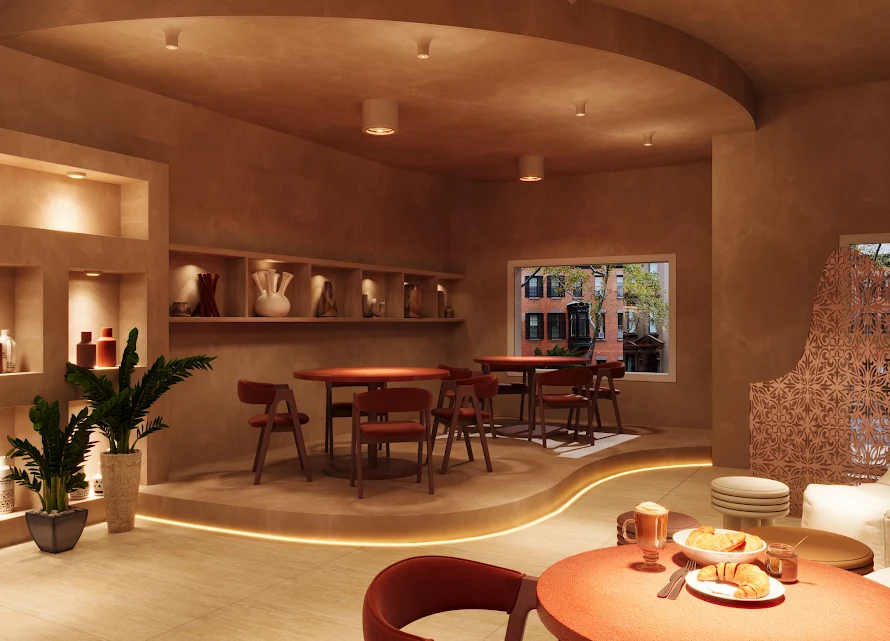
Create a Dining Space That Customers Remember
Restaurant designs is much more than selecting attractive furniture or choosing trendy colors. It is about creating an environment where guests feel comfortable, connected, and excited to return. The latest restaurant designs trends focus on blending beauty with functionality, ensuring every detail contributes to an exceptional dining experience.
At Experience Design, we specialize in creating innovative restaurant environments that combine creativity, functionality, and commercial success. Our experienced design team works closely with restaurant owners to develop customized concepts that reflect their brand while maximizing every square foot of space. From concept development and restaurant layout planning to commercial kitchen design and final interior finishes, we help transform ordinary dining spaces into memorable destinations.
Frequently Asked Questions
What is the most important aspect of restaurant designs?
The most important aspect of restaurant designs is creating a balance between aesthetics and functionality. A successful design provides an inviting atmosphere while ensuring efficient workflows for staff and a comfortable experience for guests.
How can restaurant designs increase customer satisfaction?
A thoughtfully designed restaurant improves seating comfort, lighting, acoustics, navigation, and ambiance. These elements work together to create a positive dining experience that encourages repeat visits and positive reviews.
How often should a restaurant update its interior design?
Many restaurants refresh their interiors every five to seven years. Smaller updates, such as new lighting, furniture, artwork, or decorative features, can keep the space looking modern without requiring a complete renovation.
Why is restaurant branding important in interior design?
Interior design communicates your restaurant’s personality and values. Consistent colors, materials, furniture, and décor help build a recognizable brand that customers remember and recommend to others.
What are the latest restaurant designs trends?
Popular trends include open dining layouts, natural materials, indoor greenery, sustainable finishes, smart lighting, flexible seating, technology integration, and personalized dining experiences that reflect the restaurant’s unique identity.
Does restaurant layout affect business performance?
Yes. A well planned layout improves customer flow, reduces staff travel time, enhances service efficiency, and maximizes seating capacity without sacrificing guest comfort.
Why should I hire a professional restaurant designs company?
Professional designers understand how to combine creativity, functionality, and operational efficiency. They help avoid costly mistakes while creating a dining environment that supports your business goals and enhances the customer experience.
How does sustainable restaurant designs benefit a business?
Sustainable design can lower energy costs, reduce environmental impact, and strengthen your brand image among environmentally conscious customers. Using durable materials and energy efficient systems also contributes to long term operational savings.
Can restaurant designs influence social media marketing?
Absolutely. Restaurants with visually appealing interiors often receive more customer generated photos and social media shares, increasing online visibility and attracting new visitors without additional advertising costs.
How can Experience Design help with my restaurant project?
Experience Design provides comprehensive restaurant designs solutions tailored to your business objectives. From concept planning and space optimization to interior design and commercial kitchen layouts, our team creates functional and visually impressive dining spaces that help restaurants succeed.